
 English
 русский
 Español


Home / News / Industry News / Label Adhesives Guide: Types, Properties, and Practical Selection Tips
News

Label Adhesives Guide: Types, Properties, and Practical Selection Tips
2026-11-24
Label adhesives rarely get the credit they deserve. A beautifully printed label that lifts at a chilled shelf edge or slides off a recycled plastic bottle is not usually a design problem; it is an adhesive problem. At Rongyang, we work with pressure-sensitive label constructions every day, and the most useful conversations usually start with the surface, the application temperature, and the service life rather than with a product name.
A pressure-sensitive label is a sandwich: facestock, adhesive, and release liner. The adhesive has to wet out the surface, build tack, hold through handling, and then resist whatever the product meets in storage, transport, and use. That is why two labels that look identical can behave very differently on the same bottle.
What label adhesives actually need to do
Before comparing adhesive families, it helps to separate the job into measurable behaviours. A supplier may use different test methods, so ask for the data behind the description.
- Initial tack: how quickly the adhesive grips after light contact. This matters on high-speed lines and curved surfaces.
- Peel adhesion: the force needed to lift the label after it has bonded. It should suit the substrate and the expected handling.
- Shear resistance: the adhesive's ability to resist sliding or creep under sustained load, especially on shelves or in warm conditions.
- Minimum application temperature: the lowest surface and ambient temperature at which the adhesive can still wet out properly.
- Service temperature range: the conditions the finished label can tolerate after application, including cold storage, heat, and cycling.
- Chemical and UV resistance: performance against oils, cleaning agents, condensation, sunlight, and other exposure.
A common mistake is to use one temperature figure for everything. Application temperature and service temperature are different requirements, and both need to be stated clearly.
The main label adhesive families and where they fit
Most pressure-sensitive label adhesives fall into a few practical families. The boundaries are not absolute because formulation matters, but the comparison below is a useful starting point.
| Adhesive family | Best known for | Points to check | Typical label uses |
|---|---|---|---|
| Acrylic | UV and ageing resistance, clarity, broad temperature performance | Initial tack can be slower on some low-energy surfaces | Beverages, personal care, household products, outdoor labels |
| Rubber-based | High initial tack, good grip on many low-energy plastics, cold performance | Ageing, discolouration, and solvent resistance vary by grade | Freezer labels, logistics, cartons, promotional labels |
| Hybrid | Balance between quick tack and acrylic-like durability | Performance is formulation-specific, so request test data | General-purpose packaging and mixed-substrate runs |
| Heat-activated | High final bond after heat and pressure | Requires suitable application equipment and process control | Industrial labels, tamper-evident seals, specialty packaging |
Water-soluble and wash-off systems are not really a separate adhesive family in the same sense, but they are important behaviours. They allow labels to release cleanly during recycling or bottle washing, provided the adhesive, facestock, and process are designed together.
Permanent, removable, repositionable, and the grades between
These words describe the intended removal behaviour, not a promise that a label will never come off. A permanent adhesive is designed to stay in place during normal use. A removable adhesive is designed to release without leaving troublesome residue. A repositionable adhesive allows the label to be lifted and reapplied shortly after placement.
Within those groups, you will also meet high-tack grades for difficult surfaces, freezer-grade grades for cold and damp conditions, wash-off grades for returnable containers, and resealable systems for promotions or multi-use packs. The right choice depends on how long the label must stay, how it will be removed, and what the substrate can tolerate.
Match the adhesive to the surface and the environment
Surface energy and contamination
Glass and metal are usually forgiving. HDPE, PP, powder-coated aluminium, recycled board, and rough or dusty surfaces can be much less so. Low surface energy, oily films, mould-release agents, and condensation can all prevent proper wet-out. A rubber-based or high-performance acrylic adhesive may help, but the only reliable answer is a test on the actual substrate.
Application and service temperature
If a label is applied in a cold room or on a chilled bottle, a standard acrylic may not have enough time to wet out before the line moves on. A cold-tolerant adhesive, correct application pressure, and adequate dwell time matter more than a glossy data sheet. Freezer and cold-chain labels should be tested after cycling, not only straight from the applicator.
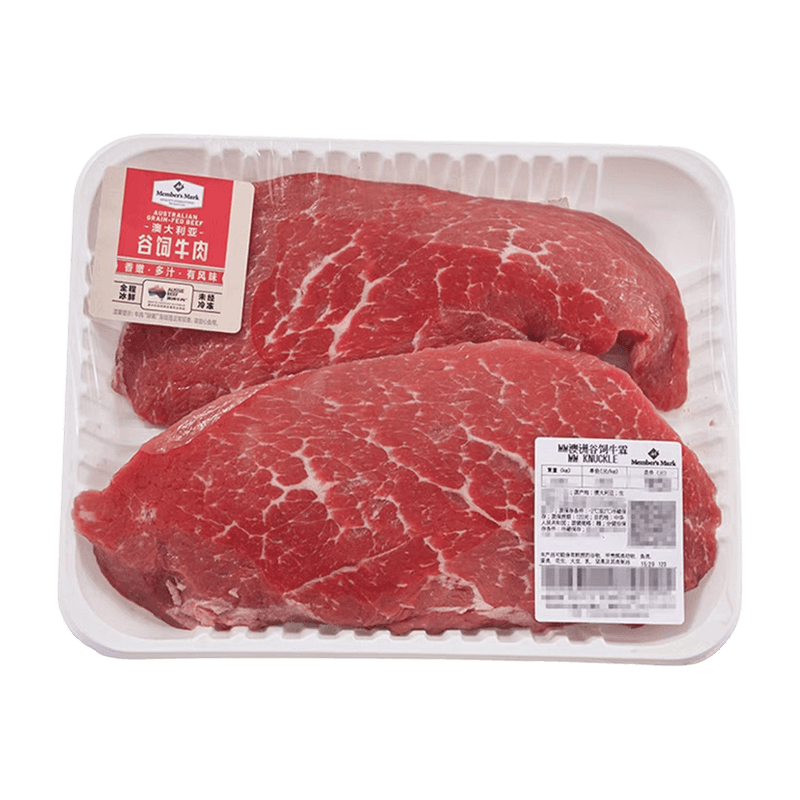 Low-Temperature Freezing Labels for Cold-Chain PackagingFor chilled or frozen lines, these labels use freeze-resistant film, adhesive, and ink to resist condensation and stay flexible through freeze-thaw cycles.View Product →
Moisture, oils, and chemicals
Condensation on a beverage bottle, cooking oil on a food pack, and surfactant-rich cleaning products place very different demands on a label. The facestock and print may fail before the adhesive does, so evaluate the whole construction. For home care and industrial containers, a highly chemical-resistant film label is often a more practical starting point than a standard paper label.
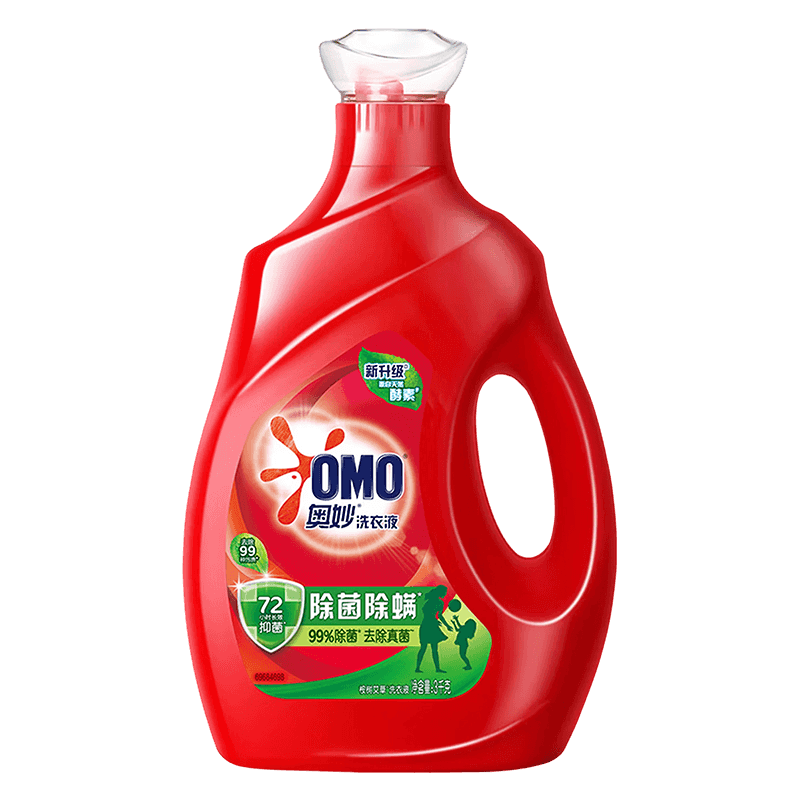 Chemical-Resistant Film Labels for Harsh Cleaning ProductsFor containers exposed to bleach, disinfectants, solvents, and corrosive cleaners, these PE/PP film labels are built to resist peeling and keep print legible.View Product →
Food contact and compliance
When a label may touch food directly, the adhesive and facestock need to be selected for that contact scenario, not simply described as food-grade. Migration, direct-contact status, and local regulations should be confirmed with the material supplier. Good adhesive performance is only useful if the construction also meets the compliance requirement.
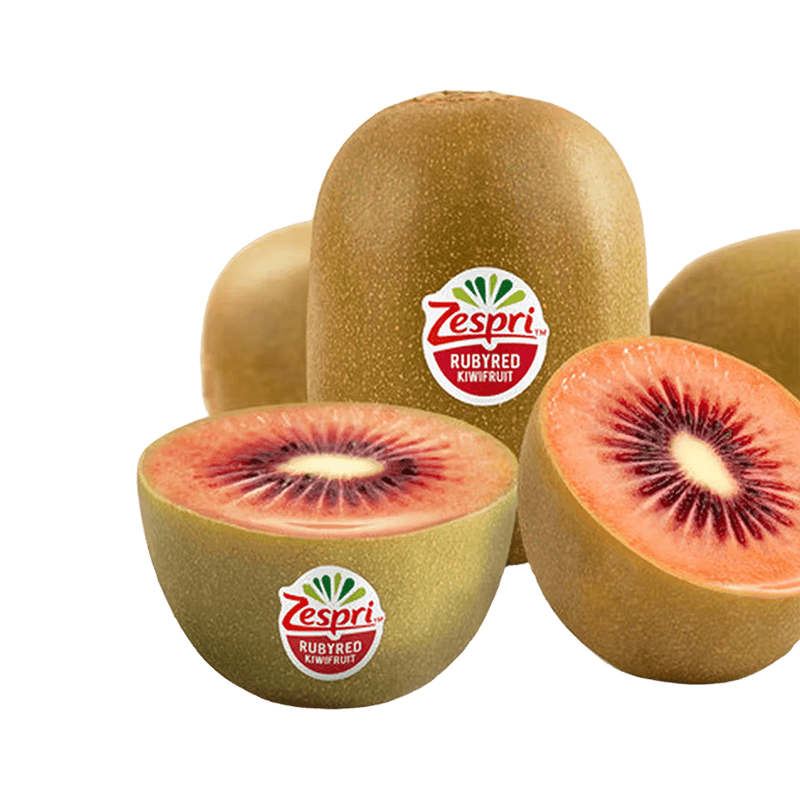 Direct Food Contact Labels for Traceability and MarkingWhen labels may touch fruit, cheese, or meat, these breathable, residue-free constructions support source identification and should be checked for the intended contact scenario.View Product →
Specifications to check before you order
- Application temperature and service temperature: state both, including the surface temperature at the applicator.
- Tack, peel, and shear: ask for values on a comparable substrate rather than generic figures.
- Surface compatibility: confirm the exact plastic, coating, or recycled material and whether it is clean and dry.
- Removal timing: a label removed after one day may behave differently from one removed after six months.
- Liner and converting: check die-cutting, liner release, roll direction, and whether the liner suits your applicator.
- Storage and shelf life: adhesive rolls can be affected by heat, humidity, and pressure, so follow the supplier's storage guidance.
A practical testing routine
Start with production-representative samples, not a single hand-cut label. Apply them to the real substrate using the intended pressure and line speed, then leave them for at least 24 hours at room temperature before judging adhesion. Add cold storage, humidity, oil wipe, or cleaning-agent exposure as appropriate, and inspect for lifting, curling, blistering, and print damage.
It is also worth testing the label after the product has been handled, packed, and unpacked. A label that survives the lab but fails at the shelf edge is still a failure. Small, carefully designed trials usually save far more time than changing adhesive after a full production run.
How our team approaches label adhesives
Rongyang supplies pressure-sensitive labels and RFID smart labels for food and dairy, healthcare, personal care, beverages, logistics, and industrial applications. Our experience is that adhesive selection works best when facestock, liner, printing, and application method are treated as one system. We would rather ask about the bottle, the freezer, or the cleaning chemical early than recommend a familiar adhesive that is not suited to the job.
If you are still comparing facestocks and liners before choosing an adhesive, our buyer's guide to adhesive label materials walks through the wider construction. For application-specific projects, the most useful next step is a sample test on your own substrate with your real service conditions.
Label adhesives are a small part of the pack, but they carry a large share of the risk. Start with the surface, the temperature, and the exposure, then choose the adhesive family and grade that can meet those conditions. If you are unsure, test before you commit, and ask for data rather than adjectives. That approach keeps labels where they belong: on the product, doing their job.

Messae Us Right Now!

- Quick Links
- Products
- Quality Control
- Our Story
- News
- Contact
- Our Product
-
- Beauty and Personal Care Labels
- Home cleaning and laundry care labels
- Liquor and Beverage Labels
- Food and dairy product labels
- Healthcare Labels
- Promotional and Interactive Labels
- Specialty and industrial solution
- Labels Thermal printing and logistics labels
- Anti-counterfeiting traceability and RFID Labels
- Contact us
- Tel:+86-573-86867861
- Phone:+86-18621872035
- E-mail:allen.men@rylabel.com
- Add:No. 111 Xincheng Road, Haiyan Economic Development Zone, Jiaxing City, Zhejiang Province


