
 English
  русский
  Español

Home / News / Industry News / Anti-Counterfeiting Traceability Labels: A Practical Guide for Supply Chain Teams
News

Anti-Counterfeiting Traceability Labels: A Practical Guide for Supply Chain Teams
2026-09-08
A European food manufacturer recently recalled more than 50,000 units of a premium sauce after a discount retailer flagged a suspicious shipment. The packaging looked identical to the genuine product; what gave it away was a serial number that matched a batch that had never been produced. Counterfeiting is no longer limited to luxury handbags and designer watches. It reaches food, beverages, cosmetics, pharmaceuticals, and even industrial parts, often through distribution channels the brand owner never approved.
Anti-counterfeiting traceability labels are the practical first line of defense against this problem. A label that combines visible security, hidden authentication features, and machine-readable data gives every single product unit a verifiable identity. For quality, procurement, and brand protection teams, the question is not whether to add security labels, but which technologies to combine, and how to build a label that performs reliably from the filling line to the consumer's hands.
What an Anti-Counterfeiting Traceability Label Actually Does
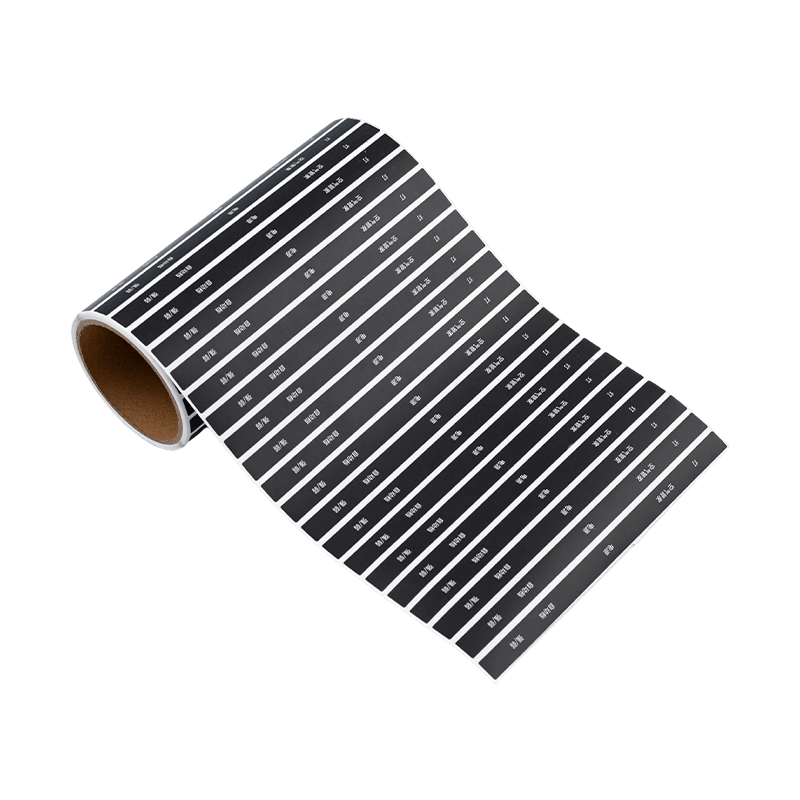
A well-designed anti-counterfeiting traceability label serves three functions at the same time: it authenticates the product, it traces its movement, and it deters counterfeiters.
Authentication
Authentication comes from features that are difficult and expensive to reproduce. Overt features such as holograms, color-shifting ink, and microtext can be checked visually by anyone. Covert features such as UV-fluorescent ink, hidden images, and chemical taggants require a simple reader or a specific light source. Combining both raises the cost of copying so high that most counterfeiters move on to easier targets.
Traceability
Traceability comes from a unique data carrier on each label: a serial number, a QR code, a data matrix, or an RFID chip. That code is linked to the product's production record in the brand owner's database. Every scan at a warehouse, a distribution center, or a retail store adds a timestamp and a location, creating an audit trail from production to point of sale.
Deterrence
Deterrence follows naturally. When counterfeiters know that every unit carries a code that can be verified with a smartphone, the risk of leaving behind a traceable piece of evidence becomes unacceptable. Organized counterfeiting operations often abandon product lines that carry strong traceability labels.
These three functions must work together. A label that relies only on visible security can be copied well enough to fool a busy store clerk. A label that uses only a QR code is vulnerable to code reuse unless it is connected to a secure database that checks every scan. The strongest anti-counterfeiting traceability label pairs tamper-resistant physical features with serialized data and a verification system controlled by the brand.
The Main Technology Options
There is no universal anti-counterfeiting label. The right choice depends on the value of the product, the type of counterfeiting risk, the environment in which the label must survive, and the way the product will be verified. Most traceability labels combine one or more of the following families.
| Feature family | How it works | How it is verified | Best suited for |
|---|---|---|---|
| Overt features (holograms, color-shift ink, microtext) | Visible effects that are expensive to replicate | Visual inspection | Premium consumer packaging, cosmetics, beverages |
| Covert features (UV ink, hidden marks, taggants) | Hidden marks embedded in the label | UV lamp, reader, or laboratory analysis | Pharmaceuticals, electronics, certificates |
| Serialized codes (QR codes, data matrices) | A unique code printed on every label | Smartphone or barcode scanner | Food, beverages, vitamins, personal care |
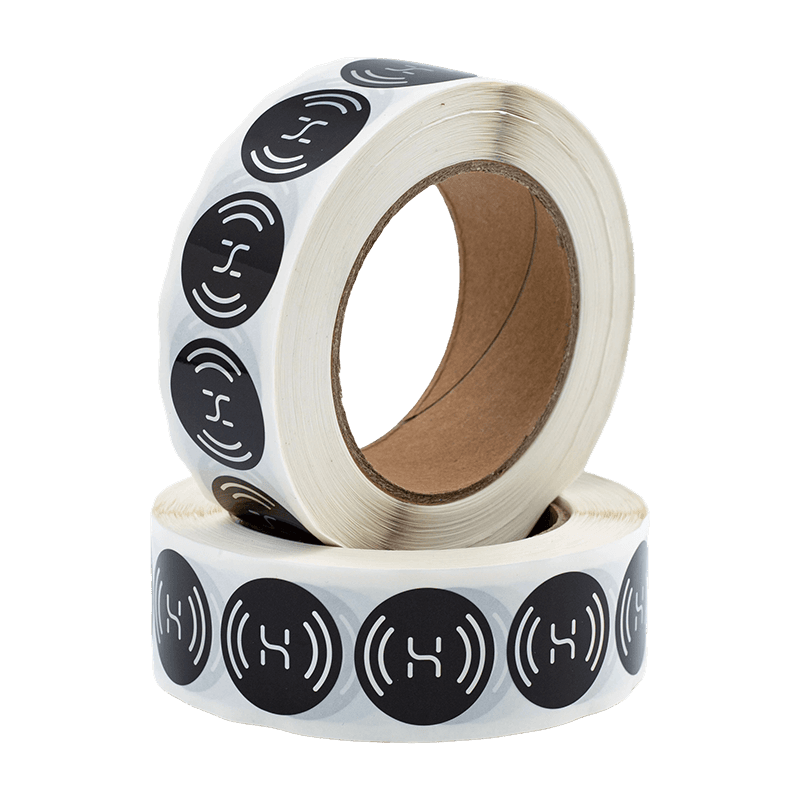
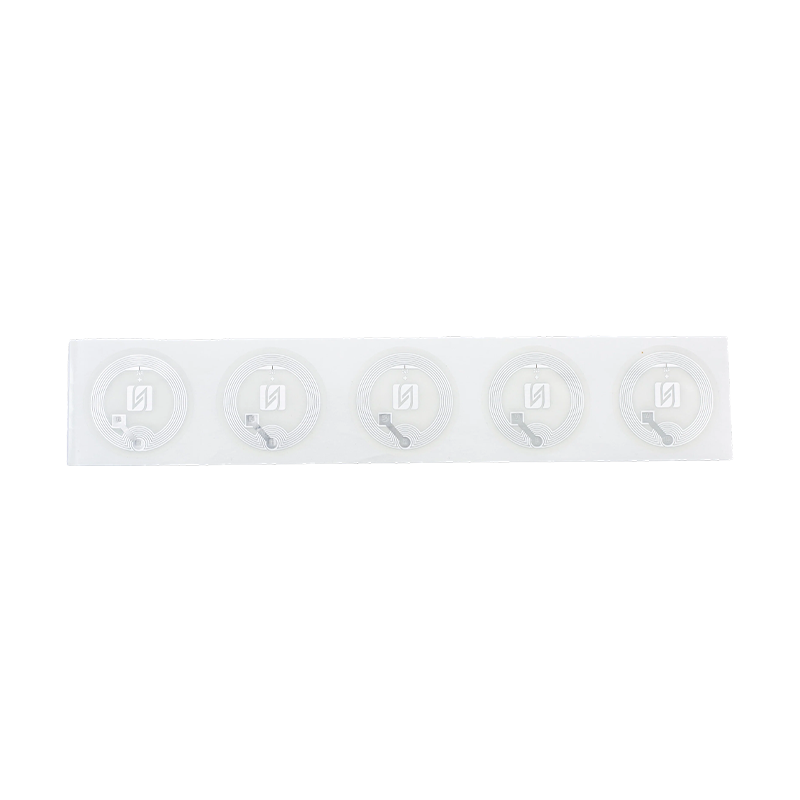
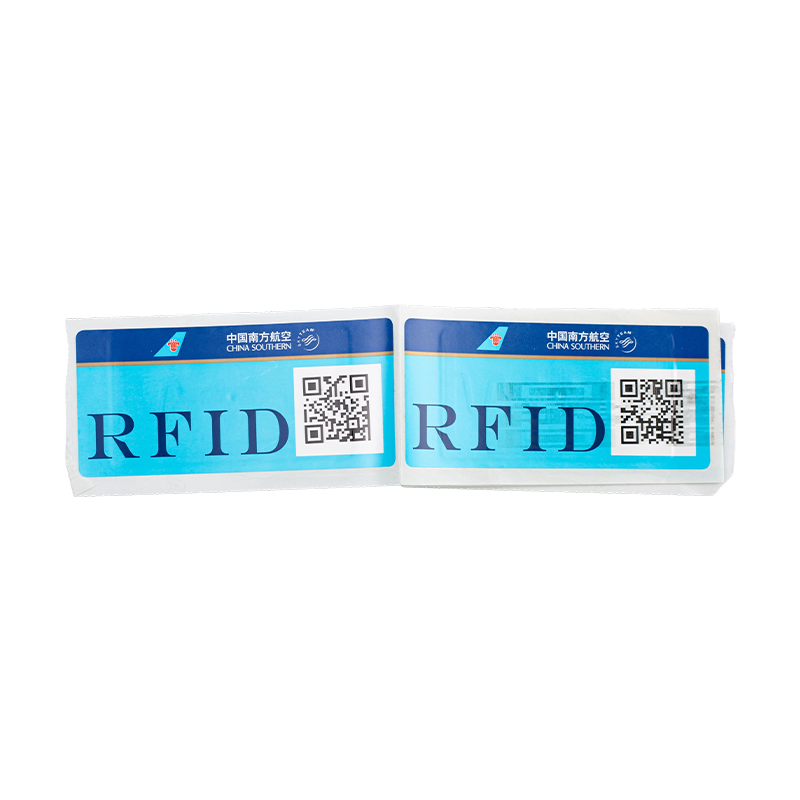
| RFID / NFC smart labels | Data stored on a chip, read without line-of-sight | RFID reader or NFC phone | Logistics, asset management, retail anti-theft |
Serialized codes are the most common starting point because they are inexpensive to print and work with equipment that is already installed in most warehouses and retail stores. A QR code or data matrix gives each unit its own identity and can point to a secure verification page. The weakness is that a printed code can be copied, so the database behind it must be designed to detect duplicate or unusual scans.
RFID raises the level of protection because a unique identifier lives in a chip that is very difficult to clone. Unlike printed codes, RFID can be read without line-of-sight, so cases and pallets can be checked without unpacking. The trade-off is cost and ecosystem requirements: RFID labels cost more, and readers must be placed in the right locations to create value.
How Traceability Works Through the Supply Chain
A traceability label only creates value when the data on it is actually used. The typical implementation follows a clear sequence. The manufacturer prints and encodes labels at the packing line and links each code to the batch number, production time, and expiry date. When products are shipped, the codes are scanned and the events are uploaded to the traceability platform. Every receiving dock, warehouse move, and store delivery adds another data point. A consumer who scans the code at home can see whether the product is genuine and where it was produced.
This chain of custody is what separates a traceability label from a simple anti-counterfeit sticker. The label is a data collection point, not just a security device. For brand owners, the benefits go beyond authentication. Serialized codes make recalls faster and more precise, because a suspect batch can be located by searching its codes. Returns can be validated before they are restocked, and auditors receive a clear record of the product's path.
The most common failure in traceability projects is not the label; it is the surrounding process. Scanners must exist at the right checkpoints, staff must know how to respond to a suspicious scan, and the database must define clear rules for first scan, duplicate scan, and last scan events. A reliable label supplier will be honest about this. The physical label is only half of the traceability system.
Where These Labels Matter Most
Some industries face a higher counterfeiting threat than others, and their label priorities differ.
Pharmaceuticals and Healthcare
Counterfeit medicines are a direct health risk. They may contain the wrong active ingredient, no active ingredient, or a toxic substitute. Many regulators now require serialized, tamper-evident labels on pharmaceutical packaging. A traceability label lets a pharmacist, a distributor, or a patient confirm a pack's authenticity before use, and gives regulators a fast way to trace the source of a suspect product.
Food and Beverage
Counterfeit food and drink products range from imitation wines sold under premium labels to adulterated infant formula and cooking oil. Because food is consumed, the consequences of a fake product can be severe. Traceability labels help retail buyers verify a shipment, help consumers confirm authenticity, and allow manufacturers to identify affected units quickly when a recall becomes necessary.
Cosmetics and Personal Care
Premium cosmetics are among the most counterfeited consumer goods. Fake creams and serums produced in unregulated factories have been found to contain dangerous ingredients. A label that combines a visually distinctive security feature with a serialized QR code gives consumers a way to verify the product before they use it, which is especially important in online marketplaces.
Industrial Parts and Components
In automotive, aerospace, and machinery maintenance, counterfeit parts cause equipment failure, downtime, and safety incidents. Traceability labels for these applications are usually built on durable materials and often use RFID because parts are exposed to harsh environments. The data trail proves the origin of a component, supports warranty claims, and keeps counterfeit parts out of spare-parts inventories.
Choosing a Label That Survives Real Conditions
The most secure label is useless if it peels off in cold storage, smudges on the production line, or cannot be scanned after months of transport. Label construction must match the product's actual life cycle.
- Face stock: paper labels are the economical standard, but film labels made of polypropylene or polyester resist moisture, chemicals, and abrasion. If the product spends time in a freezer or a wet environment, film is the safer choice.
- Adhesive: permanent adhesives cover most applications, but temperature extremes change how they bond. Cold-chain products need low-temperature adhesives. Some brand owners choose tamper-evident adhesives that tear or leave visible residue when the label is removed.
- Security integration: security features are added during printing, so it helps to work with a manufacturer that controls printing, converting, and encoding in one facility. Fewer handoffs mean fewer opportunities for errors and leaks.
- Scannability: glossy finishes, dark bottle glass, and curved surfaces affect how well a printed code scans. RFID labels must be tested against the actual product, because metal and liquid interfere with radio frequency signals.
These decisions are invisible to consumers, but they determine whether the traceability label works on the first day and on the last day of the product's life.
What to Look for in a Traceability Label Supplier
An anti-counterfeiting traceability label is a security component, not a commodity sticker. The manufacturer behind it determines consistency, quality, and long-term reliability.
Look for a supplier with a complete manufacturing chain, from material selection through printing, adhesive application, die-cutting, and data encoding. A single accountable source is easier to audit and faster to respond when something needs to change. A manufacturer that serves food, beverage, pharmaceuticals, logistics, and retail knows that a beverage label, a medical label, and a warehouse RFID label are built to completely different standards.
In-house research, testing, and quality control are essential for traceability work. Every label in a production batch must be encoded, inspected, and aligned correctly, because one misencoded label creates a gap in the traceability chain. RFID adds another layer of complexity, and a manufacturer that can supply inlays, tags, and finished labels from one source simplifies qualification and delivery.
Finally, choose a manufacturer that understands your verification workflow, not just your print requirements. The supplier should be able to discuss scan environments, database rules, and packaging line integration. When the label and the system are designed together, the protection they offer is far stronger.

Messae Us Right Now!

- Quick Links
- Products
- Quality Control
- Our Story
- News
- Contact
- Our Product
-
- Beauty and Personal Care Labels
- Home cleaning and laundry care labels
- Liquor and Beverage Labels
- Food and dairy product labels
- Healthcare Labels
- Promotional and Interactive Labels
- Specialty and industrial solution
- Labels Thermal printing and logistics labels
- Anti-counterfeiting traceability and RFID Labels
- Contact us
- Tel:+86-573-86867861
- Phone:+86-18621872035
- E-mail:allen.men@rylabel.com
- Add:No. 111 Xincheng Road, Haiyan Economic Development Zone, Jiaxing City, Zhejiang Province


