
 English
 русский
 Español


Home / News / Industry News / Thermal Label Guide: Direct Thermal vs Thermal Transfer, Materials and Uses
News

Thermal Label Guide: Direct Thermal vs Thermal Transfer, Materials and Uses
2026-10-28
Walk through any parcel hub, supermarket aisle or hospital dispensary and you will pass hundreds of small printed rectangles doing quiet, essential work. Many of them are thermal labels — labels that build their image from heat rather than ink, which is why they can be produced on demand, at speed, by a printer sitting on a packing bench.
We have spent a long time manufacturing pressure-sensitive labels for logistics, retail and industrial customers, and thermal work is one of the most practical corners of the trade. The questions buyers ask us are rarely exotic: will it stay readable, will it stick, and will it run cleanly through my printer? This guide walks through the two printing mechanisms, what the label is actually made of, and the details worth settling before you place an order.
Direct Thermal and Thermal Transfer: Two Different Mechanisms
Both processes use a heated printhead, and both end up with a printed label, so the names get used interchangeably in conversation. In practice they rely on completely different chemistry, and that difference decides where each one belongs.
Direct thermal
The label's coating carries a dye and a developer that react when heated. Where the printhead touches the surface, the reaction turns the coating dark, so no ribbon is involved. Fewer consumables, a simpler printer setup and very fast output make this the default choice for short-lived information: parcel labels, warehouse picking tags, weighing labels and receipts. The trade-off is longevity. Direct thermal images can darken or fade when exposed to sustained heat, strong sunlight and certain plasticisers, and they are more vulnerable to scuffing than a ribbon-printed image.
Thermal transfer
Here a ribbon is melted onto the label, so the image is deposited rather than developed. Wax ribbons cover general-purpose paper work, wax-resin blends handle coated papers and moderate abrasion, and full resin ribbons are chosen when the label must survive solvents, heat or years of outdoor exposure. The result is sharper small text, denser barcodes and far better durability — at the cost of an extra consumable and a little more setup care.
| Aspect | Direct thermal | Thermal transfer |
|---|---|---|
| Consumables | Label only | Label plus ribbon |
| Image durability | Moderate | High |
| Typical readable life | Weeks to a year | Years, if specified well |
| Heat and sunlight | Sensitive | Resistant with resin ribbon |
| Common uses | Shipping, weighing, picking | Assets, chemicals, outdoor |
| Setup complexity | Low | Moderate |
What the Label Itself Is Made Of
A thermal label is a sandwich: face stock, a functional coating, an adhesive and a release liner. Each layer quietly determines how the label behaves, and none of them can be chosen in isolation.
Paper face stocks
Uncoated thermal paper is the economical option and prints well, though its abrasive filler gradually wears printheads. Top-coated grades cost a little more but give a smoother surface, sharper edges on small two-dimensional codes, better resistance to smearing from handling and a gentler life for the printhead. If your label carries dense data or is scanned by automated equipment, the coating earns its price quickly.
Film face stocks
When moisture, oils or repeated handling are part of the journey, polypropylene film keeps the print intact where paper would cockle or tear. Polyester is the choice for higher heat and chemical exposure. Film also brings different stiffness, which affects how a label behaves around curved bottles and small-diameter tubes.
Adhesives and liners
Permanent acrylic is the general-purpose workhorse. Freezer-grade adhesives are formulated to bond in cold-chain conditions where standard adhesive turns brittle. Removable grades suit returnable containers and reusable assets. High-tack options help on low-surface-energy plastics and on recycled board, which tends to be dustier and less forgiving than virgin fibre.
Where Thermal Labels Do the Most Work
Most thermal label specifications begin with the job rather than the material. These three settings account for a large share of the volume we produce.
Parcel, pallet and warehouse labelling
General-purpose blank die-cut thermal labels in the familiar four-by-six format remain the backbone of e-commerce and third-party logistics operations. The priorities are consistent die cutting, reliable gap detection and a coating that keeps high-density barcodes crisp at speed.
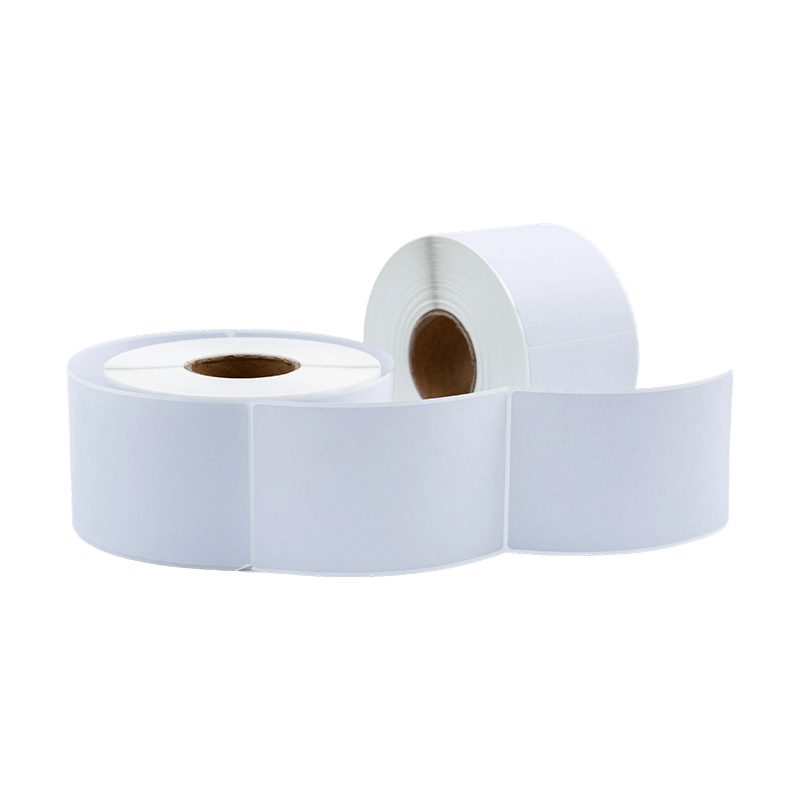 General-Purpose Die-Cut Thermal Labels for LogisticsCost-effective, printer-compatible blank labels for express waybills, warehouse picking and shipping box markings in high-throughput logistics.View Product →
Airline baggage handling
A baggage tag is printed in seconds at check-in, wrapped around a handle and then read by automated sortation equipment in an environment that is anything but gentle. The label has to stay flat, stay attached and stay legible through conveyor transitions, weather and pressure changes.
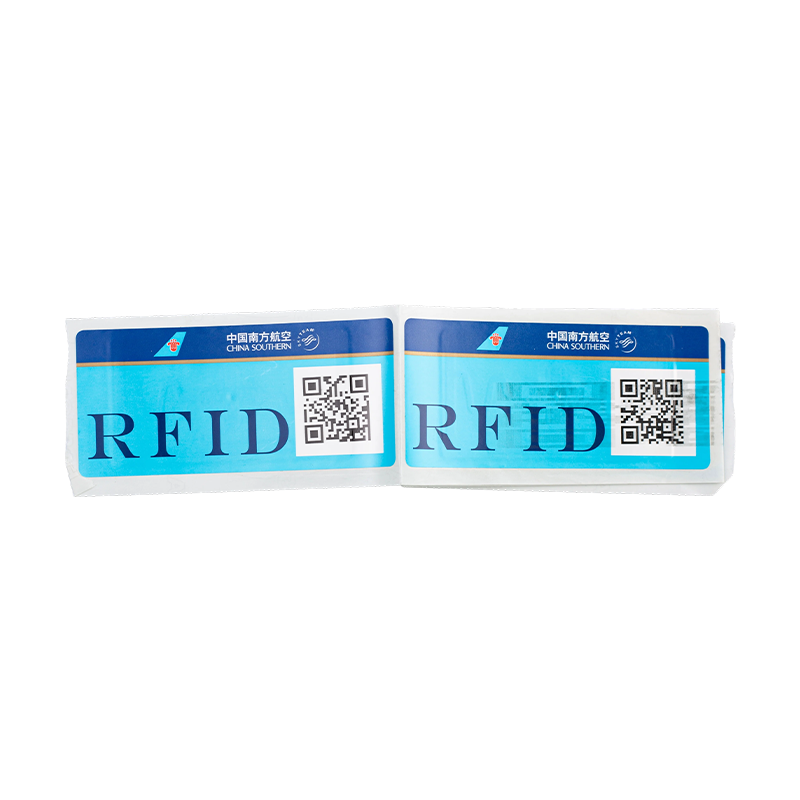 Airport Air Baggage Pressure-Sensitive LabelsHigh-strength synthetic labels for airport baggage sorting, with tear and moisture resistance and adhesive for rough luggage surfaces.View Product →
Retail weighing and shelf-edge pricing
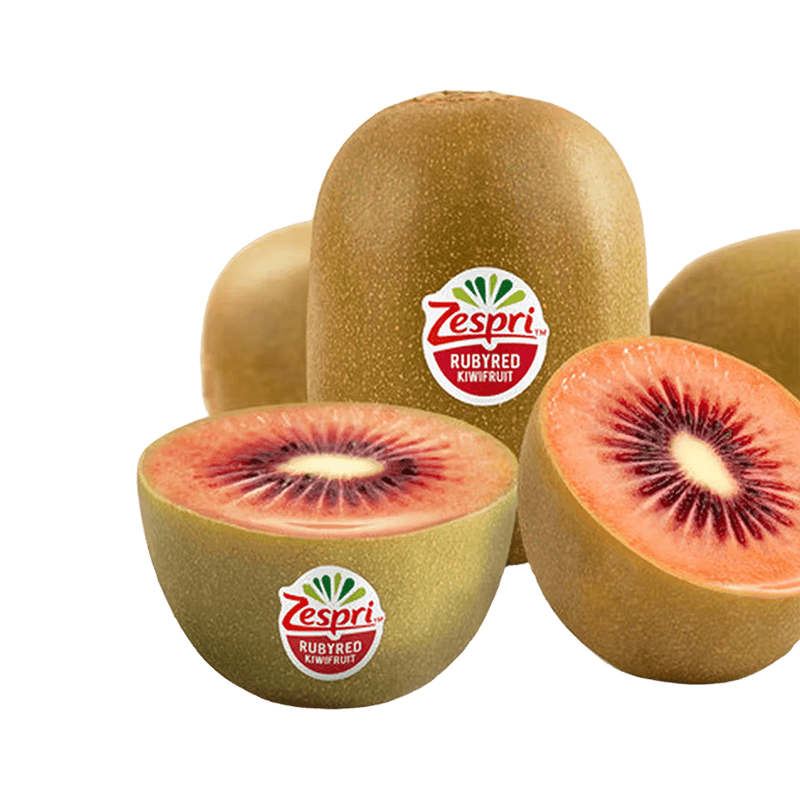
Scale labels are printed at the moment of weighing, often directly beside fresh food, so food-contact compliance, grease resistance and clean release from the liner all matter. Price labels on the shelf edge have a different job: legibility at a glance and easy removal without residue on the fixture.
 Supermarket Electronic Scale Thermal Printing LabelsCompatible with supermarket scales, these labels show product, price, weight and traceability barcodes for fresh-produce weighing and checkout.View Product →
What to Check Before You Specify
A short checklist saves a great deal of rework. When a customer sends us a sample and a description of the journey, we usually work through these points together.
- Surface: coated carton, corrugated board, film, glass or textured plastic, and whether it is flat, curved, dusty or damp.
- Temperature: the range during application, storage and transport, including any cold-chain leg.
- Abrasion: whether the label rubs against other cartons, straps or machinery during handling.
- Chemical exposure: oils, cleaning agents, solvents, condensation and repeated handling by hand.
- Indoor or outdoor use, and how long the print must remain readable.
- Print settings: resolution from 203 dpi for standard logistics work up to 600 dpi for very small text, plus speed and darkness.
- Adhesive and liner behaviour in your applicator, whether that is a hand gun or a high-speed line.
Sizing, Winding and Printer Fit
Plenty of good label material fails for an unglamorous reason: it does not match the printer. Die-cut labels need the right gap, continuous stock needs black marks or perforations, and the roll itself must fit the spindle and the maximum outside diameter your machine accepts. Winding direction matters too — inside-wound and outside-wound rolls are not interchangeable, and getting it wrong usually shows up as a jam rather than an error message. Core diameter, roll length and packing method all affect how often an operator has to stop and reload.
If the adhesive side of the decision is where you feel least certain, our buyer's guide to selecting adhesive label materials goes deeper into face stock and adhesive pairings for common surfaces.
Storage, Handling and Everyday Print Quality
Thermal stock is more sensitive to its surroundings than most people expect. Keep rolls sealed until use, away from direct sunlight, heat sources and solvents, and do not store them against plasticised films or cleaning chemicals — absorbed plasticiser can dull or block the image. Bring cold rolls to room temperature before printing, clean the printhead on a sensible schedule, and tune darkness and speed against the material rather than the default profile. A quick scan test with the reader you actually use on site is worth more than any datasheet claim.
Thermal labels look simple, and that is rather the point: a good one disappears into the workflow and never demands attention. Getting there is a matter of matching mechanism, material and adhesive to one specific journey, then checking the format fits the printer that will run it.
If you are working through a new application, we are always glad to look at a sample, a printer model and a description of where the label has to survive. You can also meet our team in person at the industry exhibitions we attend through the year.
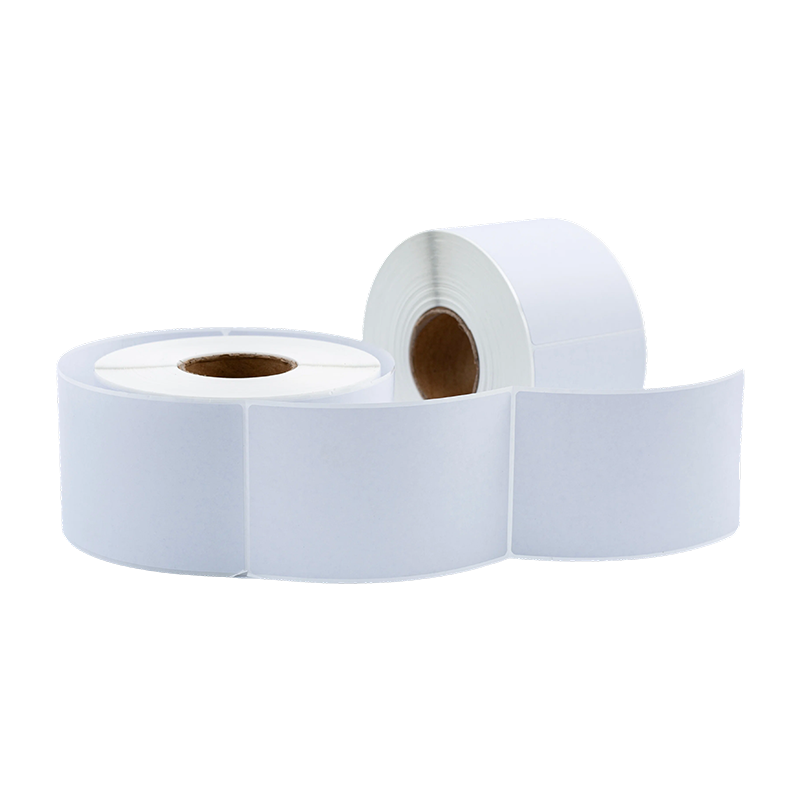

Messae Us Right Now!

- Quick Links
- Products
- Quality Control
- Our Story
- News
- Contact
- Our Product
-
- Beauty and Personal Care Labels
- Home cleaning and laundry care labels
- Liquor and Beverage Labels
- Food and dairy product labels
- Healthcare Labels
- Promotional and Interactive Labels
- Specialty and industrial solution
- Labels Thermal printing and logistics labels
- Anti-counterfeiting traceability and RFID Labels
- Contact us
- Tel:+86-573-86867861
- Phone:+86-18621872035
- E-mail:allen.men@rylabel.com
- Add:No. 111 Xincheng Road, Haiyan Economic Development Zone, Jiaxing City, Zhejiang Province


