
 English
  русский
  Español

Home / News / Industry News / Eco-Friendly Labels: How to Choose Sustainable Materials and Reduce Waste
News

Eco-Friendly Labels: How to Choose Sustainable Materials and Reduce Waste
2026-09-21
Sustainability has moved from a niche concern to a core business priority. In nearly every FMCG category, retailers and consumers are asking harder questions about packaging waste, carbon footprint, and circularity. For companies that sell packaged goods, every component of the package - including the label - must now prove its environmental credentials. Sustainable and eco-friendly labels are not only about using green materials; they are about reducing waste, protecting recyclability, and meeting the growing expectations of regulators and consumers.
This guide walks through the key decisions you will face when switching to eco-friendly labels, from material science to adhesives, liners, and certifications. Whether you are a packaging engineer, procurement specialist, sustainability manager, or brand owner, the information below will help you make confident choices.
What Makes a Label Sustainable?
To evaluate an eco-friendly label, you need to look at its entire life cycle. A truly sustainable label does more than just carry a plant icon; it contributes to waste reduction rather than creating a new problem. Here are the five pillars we use when assessing label sustainability:
- Material: Is the label made from renewable, recycled, or recyclable content? Can it be recycled together with the packaging?
- Adhesive: Can the adhesive be removed in standard recycling processes, or does it contaminate the recyclate? Wash-off and hot-melt options differ.
- Liner: Is the liner itself recyclable, or can you switch to a linerless format to eliminate the liner entirely?
- Printing: Are the inks, coatings, and varnishes water-based and low-impact? Heavy metallic and UV-cured finishes can complicate recycling.
- End-of-life: Does the label help the whole package enter a composting or recycling stream? Compatibility with existing municipal infrastructure is critical.
Labels are small, but they can prevent an entire package from being recycled if they use incompatible materials. In Europe, for example, the transition to recyclable mono-material packaging has made the label's adhesive and face material even more important. The right choice depends on your packaging substrate, application environment, and available recycling infrastructure.
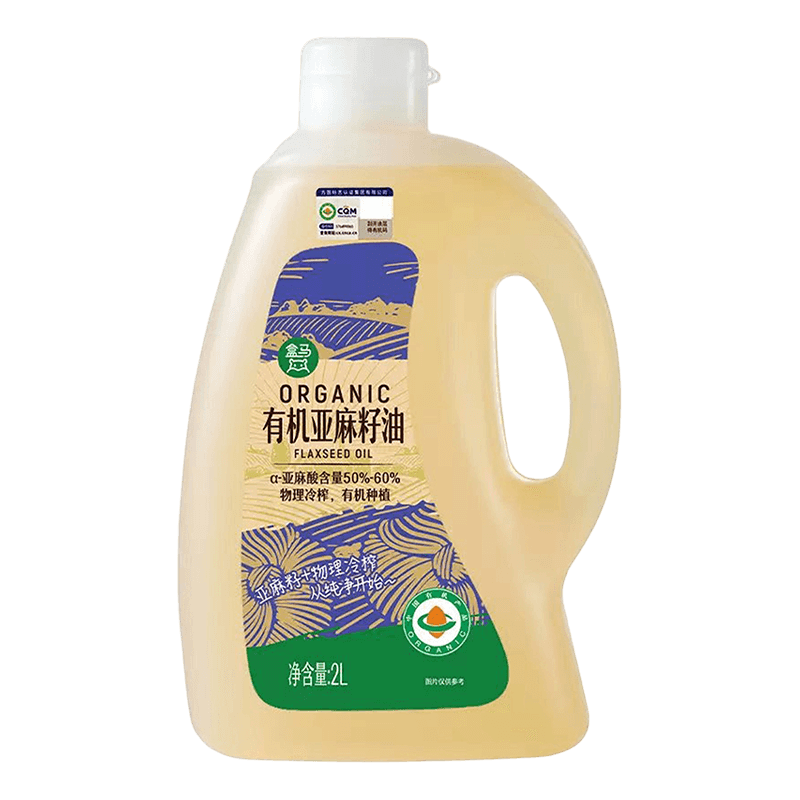 Food-Grade Waterproof and Oil-Proof PP LabelsThese labels use food-safe polypropylene film and a barrier coating to resist water, grease, and liquids. Strong adhesive suits yogurt cups, butter packs, meal boxes, and oily condiment bottles while keeping information intact.View Product →
Choosing Eco-Friendly Label Materials
In the world of sustainable labels, material selection is the most visible decision. Each option has trade-offs between performance, cost, and environmental impact.
| Material | Renewable / Recyclable | Best Use Cases | Key Considerations |
|---|---|---|---|
| FSC-certified paper | Renewable and recyclable | Dry food, cosmetics, retail | Limited water resistance |
| Recycled paper | Recycled content; recyclable | Secondary packaging, logistics | Lower tear strength |
| PP film (polypropylene) | Recyclable | Food, beverages, home care | Must use recyclable-compatible adhesive |
| Bio-based films (PLA) | Renewable; compostable where certified | Compostable packaging | Requires industrial composting; less heat resistant |
FSC-certified paper remains a strong choice for dry environments, while recycled paper provides a lower-impact option for secondary packaging. Where moisture or oil resistance is needed, polypropylene films offer a lightweight, recyclable alternative. For food packaging, our PP food-grade waterproof and oilproof labels combine recyclability with the durability needed to withstand condensation, grease, and repeated handling.
In addition to these common materials, some manufacturers offer tree-free papers made from agricultural residues such as sugarcane bagasse or wheat straw. These can reduce pressure on forests, but need to be evaluated case by case for print quality and durability. Another option is stone paper, which uses calcium carbonate and a small amount of HDPE resin; while it saves trees, its recyclability depends on local sorting systems.
Adhesives, Liners, and End-of-Life
Many brands choose a sustainable face material without realizing that the adhesive and liner can undermine the whole package's recyclability. Petrochemical adhesives can leave a sticky residue that contaminates paper recycling, while silicone-coated liners are frequently rejected by curbside programs. The result is that an otherwise recyclable bottle or carton ends up in the landfill because of a tiny piece of label.
Look for adhesives that are wash-off, removable, or specifically developed for recycling compatibility. Wash-off adhesives allow labels to be removed in a hot-soda bath, which is important for glass and PET recycling. Also consider linerless labels, which eliminate liner waste completely and increase the number of labels per roll, reducing packaging and shipping weight. If you need a liner, choose one with recycled content and a water-based silicone release system.
For a deeper look at how to compare materials and adhesives, our adhesive label materials buyer's guide covers the main variables in practical terms.
Design, Certification, and Clear Communication
Choosing sustainable materials is half the story; if your label makes misleading claims, you risk losing consumer trust and running afoul of advertising regulators. Recognized certifications help bridge that gap. For paper, look for FSC or PEFC chain-of-custody certification. For finished labels and packaging, broader schemes such as the EU Ecolabel, Blue Angel, or the Nordic Swan verify that environmental criteria have been met by an independent third party.
Keep the label design simple. Lighter ink coverage uses less energy during printing and reduces the chemical load in the de-inking process. Avoid metallic foils and heavy synthetic laminations unless your application truly requires them. And if your label is genuinely sustainable, a printed certification logo lets consumers see that your brand is taking action. Transparency is the best antidote to greenwashing.
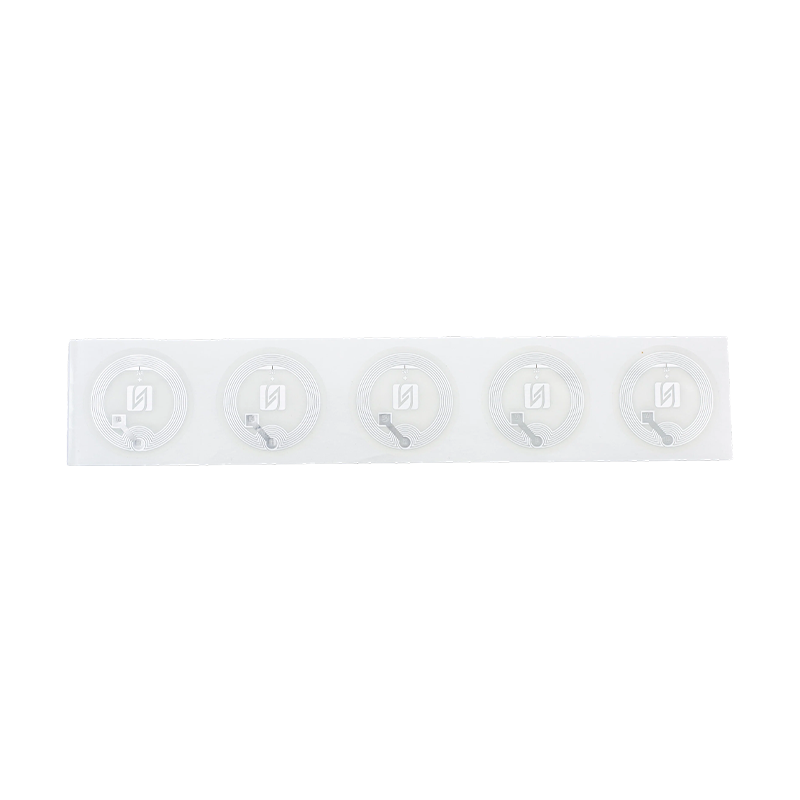
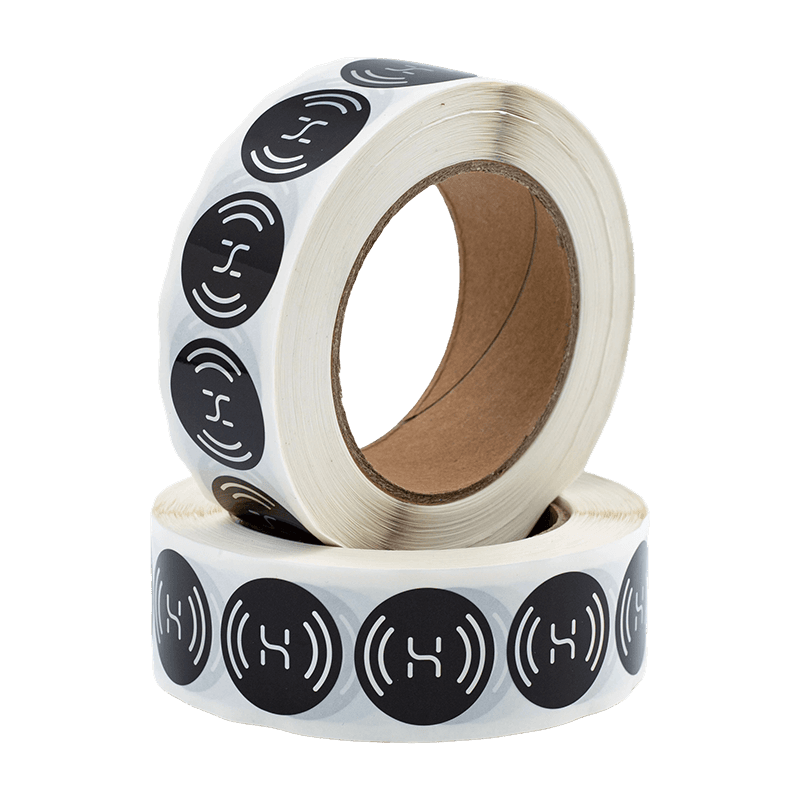
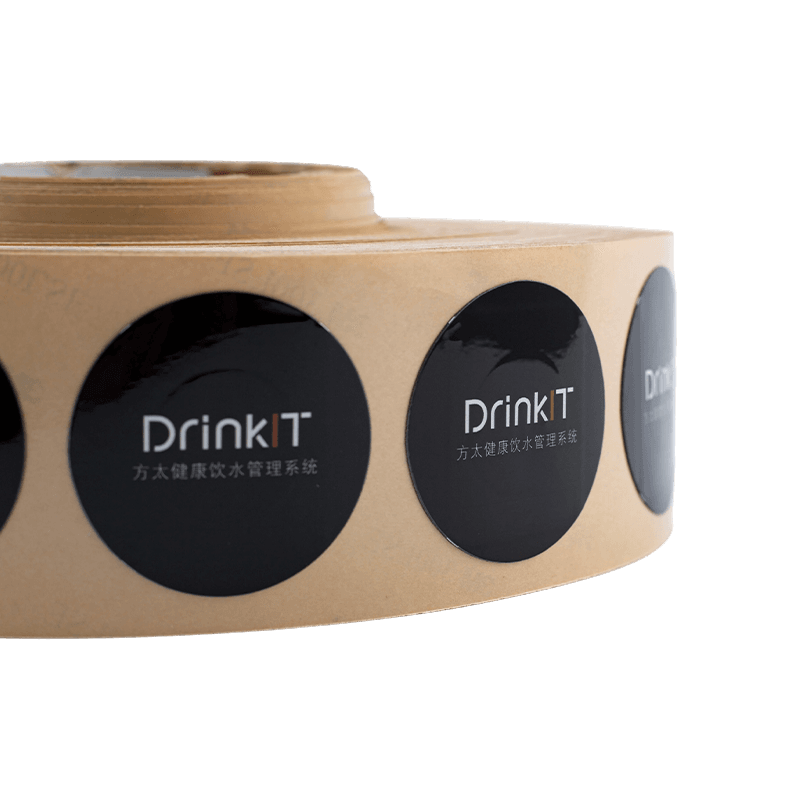 NFC Anti-Counterfeiting and Interactive LabelsBuilt-in high-frequency NFC chip enables tap-to-verify authenticity and access digital content like traceability, videos, or promotions without an app. Ideal for brands seeking anti-counterfeiting and customer engagement.View Product →
Smart Labels That Reduce Waste
One of the most overlooked ways to make packaging more sustainable is to digitalize content. Instead of printing a thick multipage insert or a large informational label, brands can place an NFC-enabled label on the package. Consumers tap the label with their smartphone and access usage instructions, ingredient lists, promotions, or authentication details in real time.
This approach uses less paper, reduces the physical weight of packaging, and makes it easy to update information without reprinting a single label. In fact, the NFC chip itself is tiny and can be produced with eco-friendly aluminium antennas, and the label can be made from recycled paper or recyclable film. Our NFC brand anticounterfeiting and interactive labels combine digital engagement with brand protection, and they are particularly useful for wine, spirits, premium packaged goods, and direct-to-consumer brands.
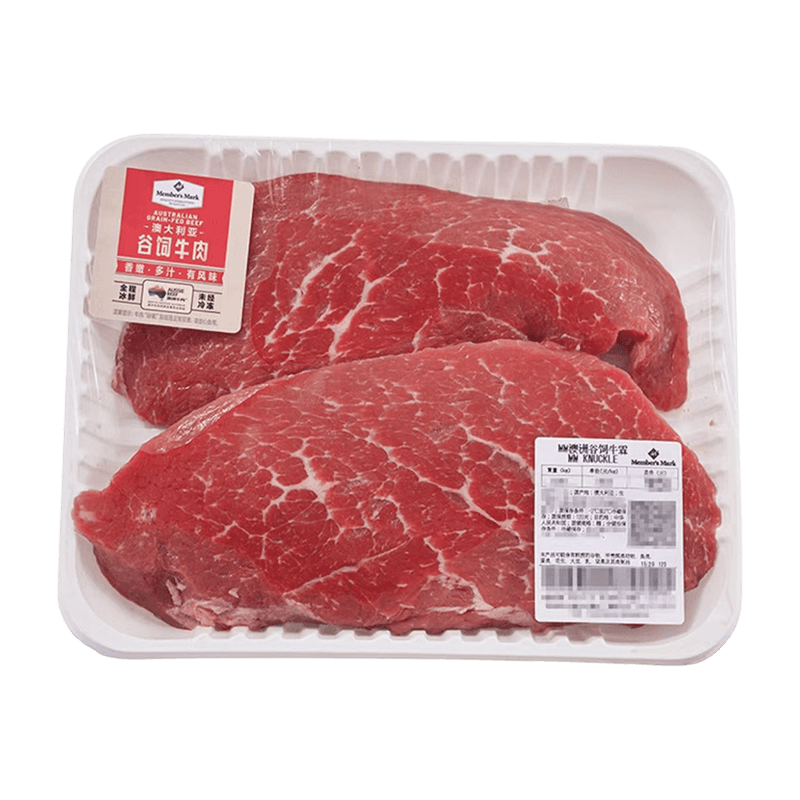 Low-Temperature Resistant Freezing LabelsEngineered for deep-freeze environments from -40°C to -25°C, these labels use low-temperature film and freeze-resistant adhesive to prevent brittleness, edge lifting, and whitening. Suitable for frozen meat, seafood, ice cream, and pastries.View Product →
Finding the Right Sustainable Label for Your Application
The best eco-friendly label is the one that performs correctly in your real-world supply chain. A label that fails in the warehouse or on the shelf wastes the entire packaging, so durability is itself a sustainability feature. For chilled or frozen food, a label that fails at low temperatures creates product waste and frustrated customers. A durable, low-temperature-resistant label prevents those losses and is therefore an essential component of a sustainable system. Our low-temperature-resistant freezing labels are designed for cold-chain packaging and maintain adhesion and print quality even in harsh freezer conditions.
Before choosing, ask your supplier these questions:
- Is the face material compatible with existing recycling streams for our packaging substrate?
- Does the adhesive pass wash-off or de-inking tests?
- Are the liners recyclable or available in a linerless format?
- What third-party certifications does the label carry?
- Has the label been tested for temperature, moisture, and chemical exposure?
Also request documentation and samples. Test the label on your actual packaging in the same environmental conditions it will encounter. A responsible supplier will be happy to share test data and work with you on a custom solution.
Moving Toward a More Responsible Label Strategy
Sustainable labels are not a one-size-fits-all solution, but they are an achievable part of a broader environmental strategy. Long-term, they help protect your brand reputation, reduce waste-related costs, and prepare your supply chain for tightened recycling regulations. At Rongyang, we have integrated sustainability into our production by optimizing material usage, reducing energy consumption, and developing labels that perform with fewer environmental burdens. We also share our progress and insights at industry exhibitions, where you can see new materials and technologies in person.
Whether you are launching a new product or redesigning an existing package, the right partner can help you make choices that are good for your budget, your customers, and the planet. Contact us or visit our exhibition page to see how we help brands bring sustainable packaging to life.

Messae Us Right Now!

- Quick Links
- Products
- Quality Control
- Our Story
- News
- Contact
- Our Product
-
- Beauty and Personal Care Labels
- Home cleaning and laundry care labels
- Liquor and Beverage Labels
- Food and dairy product labels
- Healthcare Labels
- Promotional and Interactive Labels
- Specialty and industrial solution
- Labels Thermal printing and logistics labels
- Anti-counterfeiting traceability and RFID Labels
- Contact us
- Tel:+86-573-86867861
- Phone:+86-18621872035
- E-mail:allen.men@rylabel.com
- Add:No. 111 Xincheng Road, Haiyan Economic Development Zone, Jiaxing City, Zhejiang Province


