
 English
 русский
 Español


Home / News / Industry News / Pressure Sensitive Labels: A Practical Guide to Materials, Adhesives and Applications
News

Pressure Sensitive Labels: A Practical Guide to Materials, Adhesives and Applications
2026-11-19
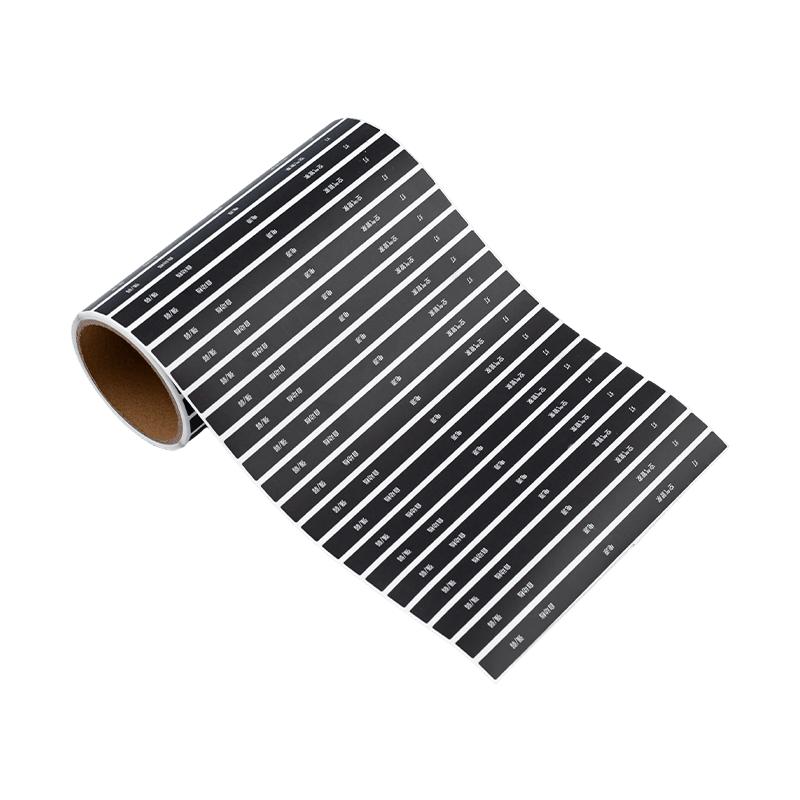
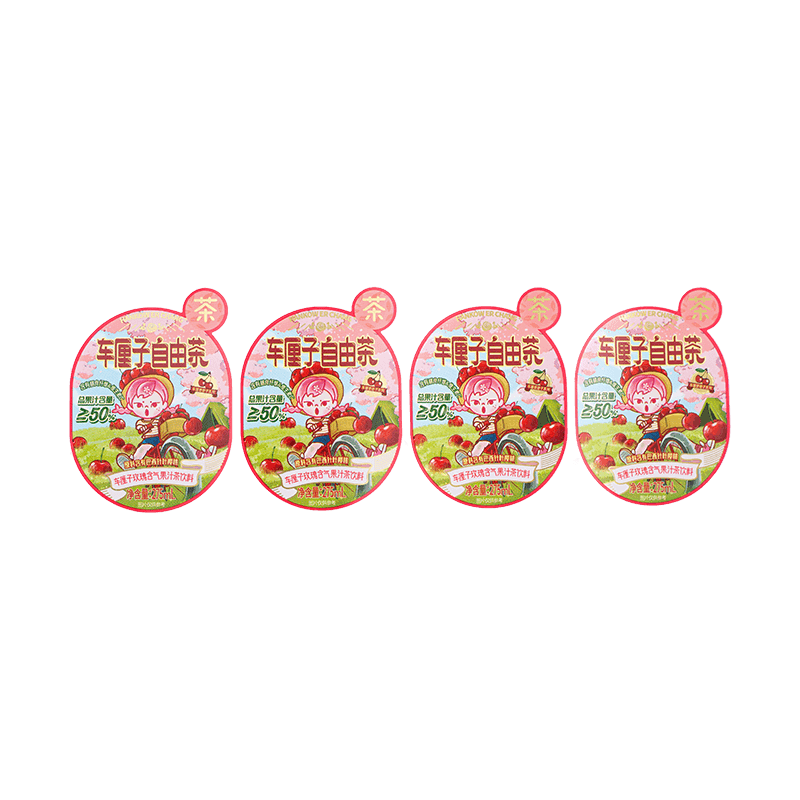
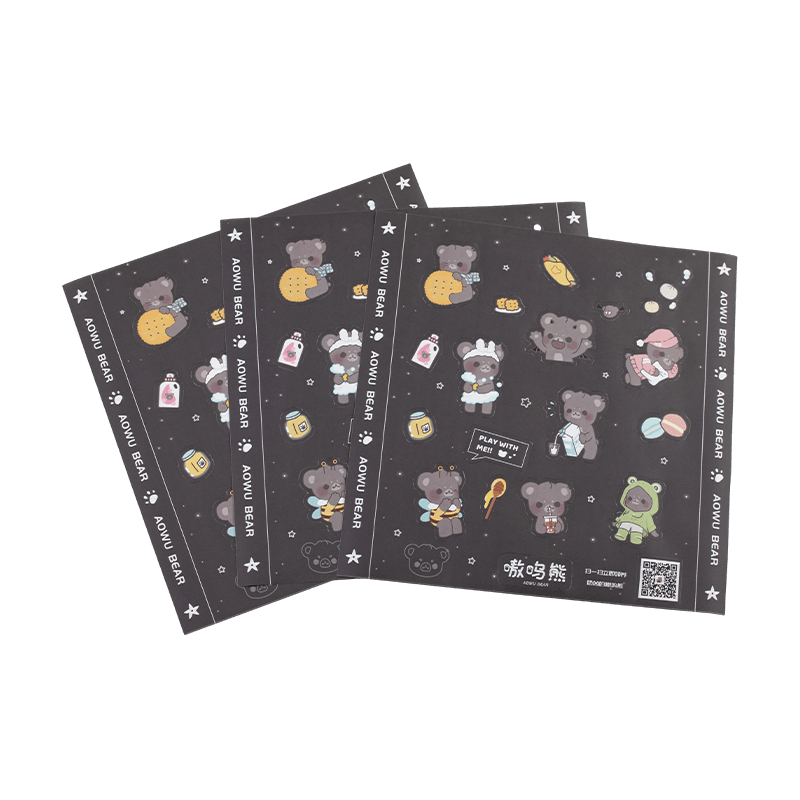
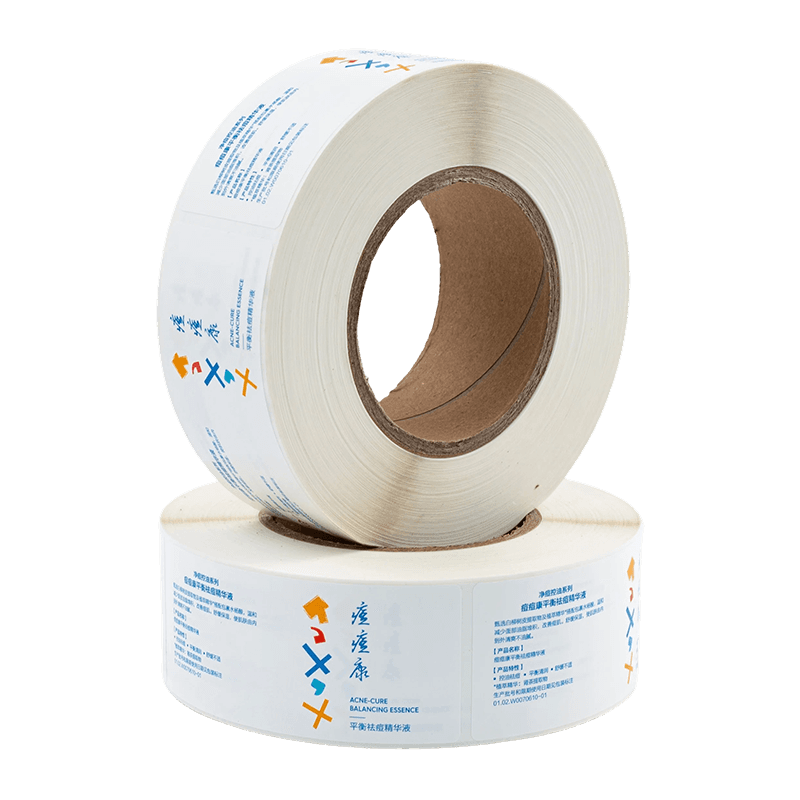
Peel a label from its liner, press it onto a bottle or a shipping carton, and something quietly clever has just happened. The label held on the first contact, without water, without heat, and without anyone mixing a pot of glue. That simple act is the whole promise of pressure sensitive labels, and it is also why they have become the default choice for packaging teams across food, beverage, pharmaceutical, logistics and retail operations.
We have spent years building these labels for customers around the world, and the questions we hear are remarkably consistent: which material should I use, will the adhesive survive the cold chain, and why did last month's batch start to lift at the edges? This guide walks through the answers in plain language.
What Makes a Label Pressure Sensitive?
A pressure sensitive label, often called a self-adhesive label, is coated with an adhesive that stays permanently tacky at room temperature. Nothing needs to be activated. The only trigger required is light, even pressure, whether that comes from a thumb during a manual application or from a labelling head running at several hundred packs a minute.
The word "pressure" in the name describes the application method, not a special ingredient. This is what separates pressure sensitive labels from wet glue labels, which are applied with starch adhesive, and from shrink sleeves or in-mould labels, which rely on heat and forming. Because there is no glue pot, no drying tunnel and no curing step, pressure sensitive labelling fits neatly into fast packaging lines and short production runs alike.
The Four Layers Inside Every Pressure Sensitive Label
Almost every pressure sensitive label is a sandwich of layers, and each layer quietly decides one aspect of performance. When a label fails in the field, the cause is nearly always a mismatch in one of these four places.
| Layer | Main job | What it affects | What we check first |
|---|---|---|---|
| Face stock | Carries the print and holds the shape of the label | Stiffness, conformability, print quality, scuff resistance | Container material, curve radius, expected handling |
| Adhesive | Bonds the face to the surface under light pressure | Initial tack, peel strength, temperature range, clean removal | Surface energy, application temperature, storage conditions |
| Release liner | Protects the adhesive until the moment of use | Dispensing speed, die-cutting accuracy, waste handling | Applicator type, line speed, liner disposal route |
| Topcoat or laminate | Protects the print and adds surface function | Rub resistance, chemical resistance, gloss or matte finish | Abrasion risk, cleaning agents, visual target |
Read the table from the bottom up when something goes wrong in the field, and from the top down when you are designing a new pack. Both directions tend to lead to the same conversation.
Choosing the Face Stock: Paper, Film and Everything In Between
Face stock is where most projects start, because it is the only part of the label the consumer actually sees. Coated paper is the workhorse choice for dry goods: it prints beautifully, takes foil and varnish well, and keeps costs sensible. The moment moisture, oil, refrigeration or a squeezable bottle enters the picture, film takes over.
White and clear polypropylene are the everyday film options, with clear film giving that "no-label" look on glass and cosmetic bottles. Polyethylene conforms to curved and slightly flexible surfaces, which makes it a common pick for personal care and household products. Specialty faces such as metallised film, frosted film and textured papers exist for one reason only: shelf presence. We are always honest with customers when a premium face would add cost without adding sales, and equally honest when it genuinely would.
Practical questions we ask about the surface
- Is the container rigid glass, flexible plastic, or a soft squeeze tube?
- How tight is the curve, and will the label wrap around it without wrinkling?
- Will the pack be handled, chilled, wiped down or soaked?
- Does the design depend on transparency, metallic shine or a soft-touch finish?
Adhesives Do the Quiet Work
If the face stock decides how a label looks, the adhesive decides whether it stays. Acrylic adhesives are the standard for long-life products and outdoor exposure, thanks to good resistance to light, heat and ageing. Rubber-based hot melt adhesives offer strong initial grab on difficult surfaces and are popular for logistics and chilled goods, though they are less suited to prolonged heat. Removable and freezer-grade variants exist for cases where the pack needs to be opened, reclosed or stored well below zero.
Coat weight matters as much as chemistry. Too little adhesive and the label lifts at the edges on a curved bottle; too much and the liner becomes difficult to dispense cleanly at speed. The surface is the other half of the equation. Low-surface-energy plastics, powder-coated metals, recycled board with variable fibre quality and damp containers all behave differently from clean glass. If you want a deeper walkthrough, our team has written a detailed buyer's guide to adhesive label materials that covers surface energy and selection in more detail.
Where Pressure Sensitive Labels Earn Their Keep
Because the format is so adaptable, the same basic construction serves industries that have almost nothing else in common. A few familiar examples:
- Food and dairy packaging, where low-temperature resistance and food-contact compliance drive the specification.
- Healthcare and pharmaceutical packs, where legibility, sterilisation and container compatibility matter more than decoration.
- Home care and laundry, where surfactants and solvents attack poorly chosen inks and films.
- Logistics and retail, where thermal-printed variable data has to stay scannable from the printer to the doorstep.
- Beverage and spirits, where condensation, ice buckets and premium finishes share the same bottle.
Food packaging deserves special attention, because the label becomes part of the product's safety story. Direct-contact applications require compliant materials, controlled migration and careful adhesive selection, not simply a nice-looking paper.
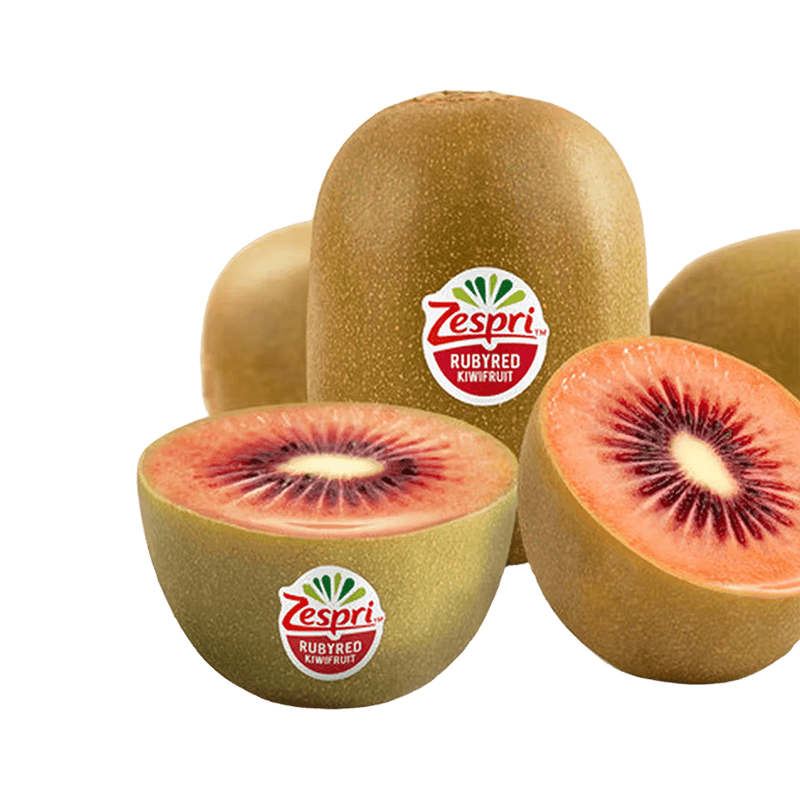 Direct Food Contact Labels for Safe TraceabilityCompliant direct-contact labels use edible inks and safe adhesive for fruit, cheese and meat traceability, with breathable, residue-free peelability.View Product →
When the Environment Fights Back
Cold and wet conditions are the classic pressure sensitive challenge. A beer bottle pulled from an ice bucket, a yoghurt cup moved through a chilled aisle, a wine label facing condensation on a restaurant table: each of these asks the adhesive to hold on a wet surface while the face stock resists wrinkling and the print resists smearing. The answers usually involve a film face, a moisture-resistant topcoat and an adhesive formulated for low-temperature and damp application.
Our own experience with beverage customers is that most failures begin long before filling, during storage of the printed labels in a humid warehouse. Liner curl and blocked rolls are the first warning signs, and they are far easier to fix than a recall.
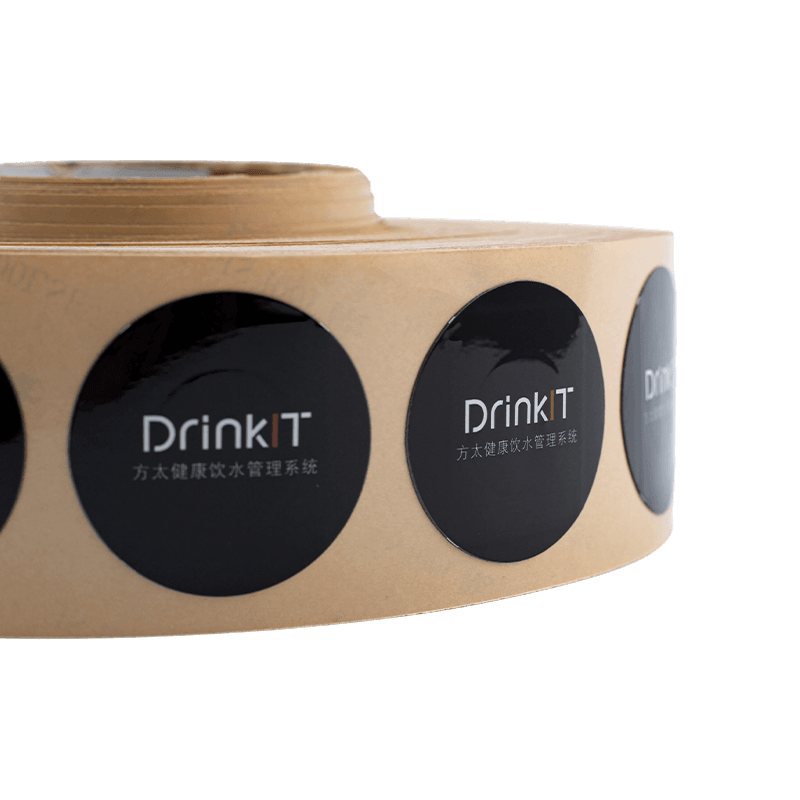
 Iced Moisture-Proof Labels for Cold Beverage PackagingWater-resistant film or synthetic paper labels with permanent adhesive resist condensation, curling and ink blur on chilled beer, wine and cocktail bottles.View Product →
When a Label Has to Do More Than Identify
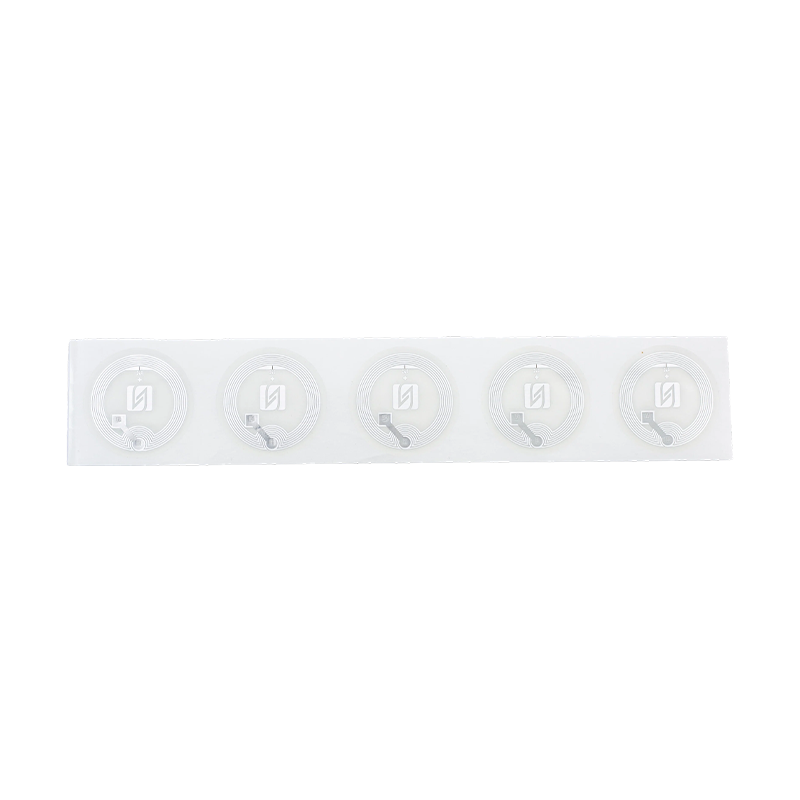
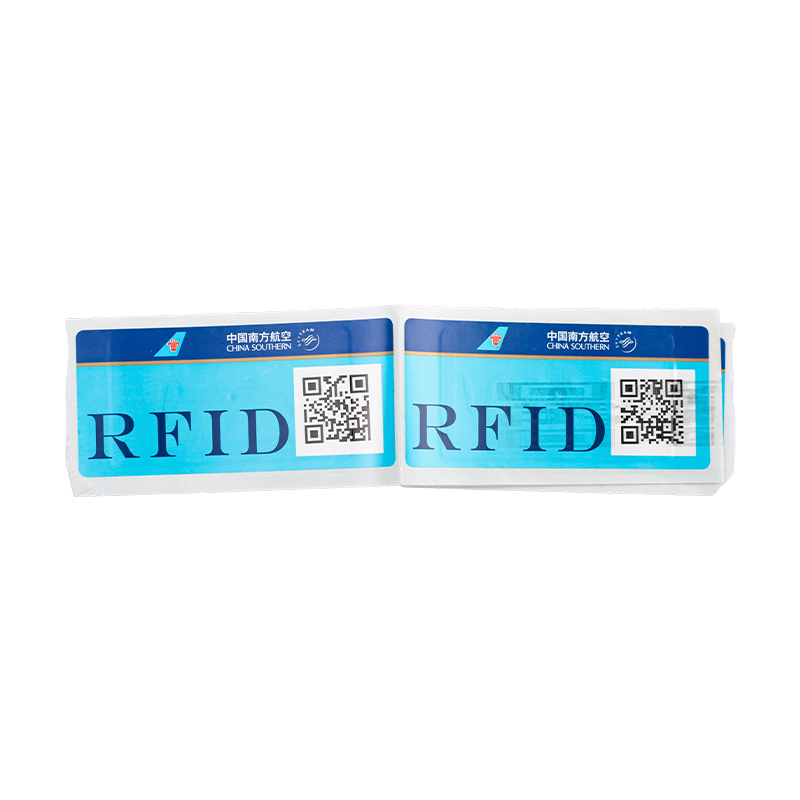
The next step for many brands is to make the label carry data. RFID inlays and NFC chips turn a printed film into an identity carrier, supporting pallet-level tracking in logistics, tamper evidence in pharmaceuticals and tap-to-verify experiences for consumers. The manufacturing challenge is that the chip must survive die-cutting, printing and application without losing read range.
That is a different discipline from ordinary label printing, and it is why we keep inlay sourcing, conversion and read-testing under one roof. For brand protection in particular, an NFC label that a shopper can tap with a phone is often more persuasive than a hologram, because the verification result is immediate.
 NFC Anti-Counterfeiting Labels for Brand VerificationTap-to-verify NFC labels store encrypted anti-counterfeiting data and connect packaging to traceability, promotions and online experiences without an app.View Product →
Common Failure Points and How to Avoid Them
Edge lift on curved containers
Usually a face stock that is too stiff for the radius, or insufficient adhesive coat weight. A more conformable film and a slightly heavier coat solve most cases.
Bubbles and wrinkles at application
Often caused by too much applicator pressure, a worn peel plate, or a liner that has absorbed moisture and curled. Check storage conditions before blaming the label.
Faded print after cleaning
Household cleaners and alcohol-based sanitisers attack unprotected ink. A laminate or a resistant topcoat is cheaper than a repack.
Adhesive transfer on removal
A permanent adhesive used where a removable one was needed. Be explicit about whether the label must come off cleanly, and from which surface.
A Practical Checklist Before You Order
- Describe the container: material, finish, curve radius and any surface texture.
- State the full lifecycle, from filling line temperature to storage, transport and consumer use.
- Confirm whether the label touches food or a medical device directly.
- Share the application method: hand, semi-automatic or high-speed automatic.
- Specify the print content and whether variable data, barcodes or chips are involved.
- Agree on a realistic proofing and trial process before mass production.
None of these steps is complicated, but skipping any one of them is how a straightforward project becomes an expensive lesson.
Pressure sensitive labels look simple because they are designed to be invisible in use. Behind that simplicity sits a chain of decisions about face stock, adhesive chemistry, liner release and surface protection, and those decisions are best made with the person who will run the line. If you are planning a new pack or revisiting a label that keeps causing trouble, come and talk to us. You can also see where we will be meeting customers next on our exhibition page, and we are always glad to work through a specification over a sample roll.

Messae Us Right Now!

- Quick Links
- Products
- Quality Control
- Our Story
- News
- Contact
- Our Product
-
- Beauty and Personal Care Labels
- Home cleaning and laundry care labels
- Liquor and Beverage Labels
- Food and dairy product labels
- Healthcare Labels
- Promotional and Interactive Labels
- Specialty and industrial solution
- Labels Thermal printing and logistics labels
- Anti-counterfeiting traceability and RFID Labels
- Contact us
- Tel:+86-573-86867861
- Phone:+86-18621872035
- E-mail:allen.men@rylabel.com
- Add:No. 111 Xincheng Road, Haiyan Economic Development Zone, Jiaxing City, Zhejiang Province


