
 English
 русский
 Español


Home / News / Industry News / Custom Printed Pressure Sensitive Label Company: A Buyer's Field Guide
News

Custom Printed Pressure Sensitive Label Company: A Buyer's Field Guide
2026-11-05
Peel, place, press — that is the whole of what a pressure-sensitive label asks from the person applying it. Behind that small gesture sits a stack of decisions most buyers never see: which face stock will hold the print without curling, which adhesive will still be gripping after a week in a freezer, which release liner will run cleanly through a high-speed applicator at three in the morning without snapping the web. We have worked on the manufacturing side of that stack for a long time, and the conversations about it are still the most useful part of the job. The notes below are roughly what we walk a new customer through when they want to know what a custom printed pressure sensitive label company should actually be doing for them.
What a Custom Printed Pressure Sensitive Label Company Actually Builds
A pressure-sensitive label is a sandwich, and every layer earns its place. The face stock carries the print and takes the abuse — paper, PP, PET, PE, metallised film, or something more specialised. The adhesive decides where and how long the label stays put, from removable coupon stock to formulations engineered for low-surface-energy plastics. The release liner is the delivery mechanism: silicone-coated paper or film that has to release smoothly at whatever speed your line runs. A top coat or varnish, when present, protects the ink and often supplies the finish that makes the pack look the way the brand team intended.
On top of that sit the printing and converting choices. Digital presses make short runs and versioning practical; flexo keeps long runs economical and handles spot colours and specialty inks well; hybrid setups combine the two when a job needs both. Then the material is die-cut, slit, sheeted or rewound, and inspected — the unglamorous stage where a good supplier earns their keep.
The Construction Decisions That Decide Whether a Label Lasts
Most label failures we are asked to investigate are not printing failures. They are construction mismatches: the right artwork on the wrong combination of materials, applied to a surface nobody checked properly.
| Layer | What it controls | Where buyers usually slip |
|---|---|---|
| Face stock | Printability, stiffness, resistance to tearing and moisture | Choosing paper for a bottle that will sit in an ice bucket |
| Adhesive | Initial tack, ultimate bond, temperature range, removability | Ignoring the surface energy of the container material |
| Release liner | Dispensing speed, flatness, converting stability | Specifying a liner that will not run on the applicator |
| Top coat or varnish | Scuff resistance, gloss level, chemical protection | Adding gloss where a matte, writable surface was needed |
| Print method | Colour consistency, variable data, cost per unit | Matching a long run to digital, or a short run to flexo plates |
If you are still narrowing down materials, our buyer's guide to adhesive label materials goes deeper into how each choice behaves across temperatures and surfaces.
Matching the Label to the Environment, Not Just the Bottle
The most reliable question we ask a customer is not "what size?" but "where will this live?" A label on a chilled dairy tub, a label on a laundry detergent bottle and a label on a lithium battery pack are three different engineering problems wearing the same shape.
Cold chain work is a good example. Frozen food and ice cream packaging moves from a cold store to a home freezer, and the adhesive has to stay flexible at temperatures where ordinary acrylics turn brittle. Condensation is the other half of the problem, since many packs are labelled while the surface is still damp from a chill tunnel.
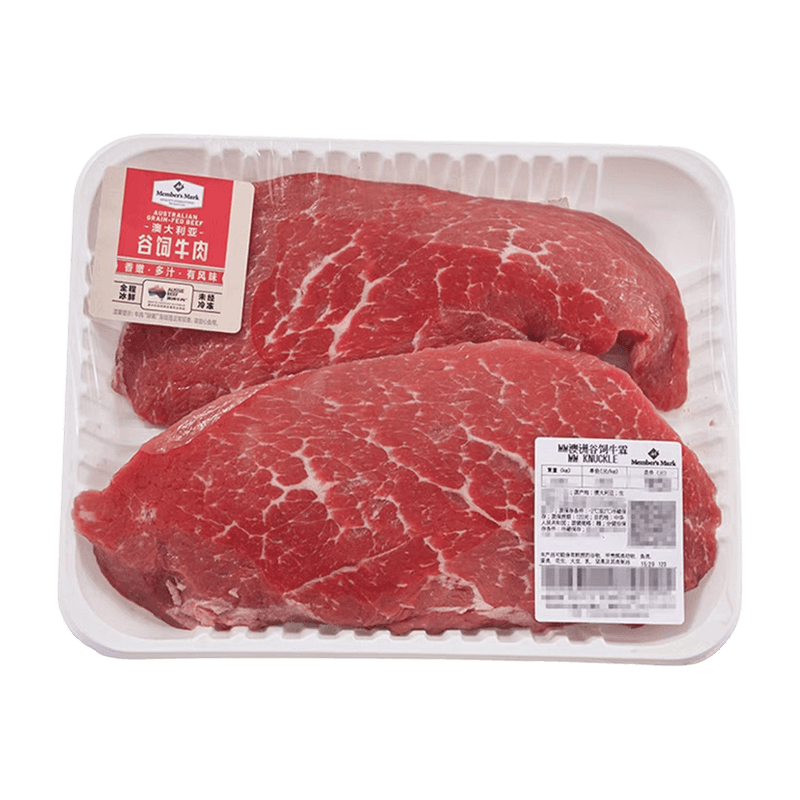 Low-Temperature Resistant Freezing Labels for Cold-Chain PackagingDesigned for -40℃ to -25℃ cold-chain labeling, these film labels resist condensation and stay flexible on frozen food, ice cream, meat, and seafood packaging.View Product →
Household and laundry care sits near the opposite extreme. Detergents, degreasers and disinfectants attack the printed surface as much as the adhesive, so a film face stock with a chemically resistant top coat usually outperforms anything paper-based, particularly around the cap and handle where product tends to drip.
 Chemically Resistant Film Labels for Cleaning and Laundry ProductsBuilt with PE or PP film and chemical-resistant adhesive, these labels withstand bleach, disinfectants, acids, alkalis, and solvents on concentrated cleaning and industrial products.View Product →
Healthcare packaging brings its own rules: material safety, sterility of the label web, and the small matter of legibility on a vial that a nurse reads at arm's length under poor light. Beverage work, meanwhile, is often a contest between premium looks — metallised stock, embossing, textured varnishes — and the reality of a bottle sweating in an ice bucket all evening.
Print, Finish, and the Details That Get Skipped
Printing gets the attention; finishing quietly decides whether a pack reads as premium or cheap. Matte and gloss varnishes, metallised substrates, cold foil, embossing, scratch-off coatings and thermochromic inks all change how a label looks on shelf — and each one adds a step where something can go wrong if the artwork was not built for it.
Two practical notes from the press room. First, fine reverses and small type behave differently on flexo than on digital, so a design approved on a screen proof may need adjustment at production. Second, barcodes need their quiet zones respected; a beautiful label with a clipped quiet zone fails scanning at the till and comes back as a complaint rather than a compliment.
Application matters as much as the label itself. Surface energy, application temperature, dwell time and roller pressure all affect the initial bond. A label pressed by hand onto a cold, dusty or sharply curved surface will not behave the way one applied at two hundred packs a minute on a labelling head, so tell your supplier which of the two it is.
Smart Labels: RFID and NFC as a Practical Option
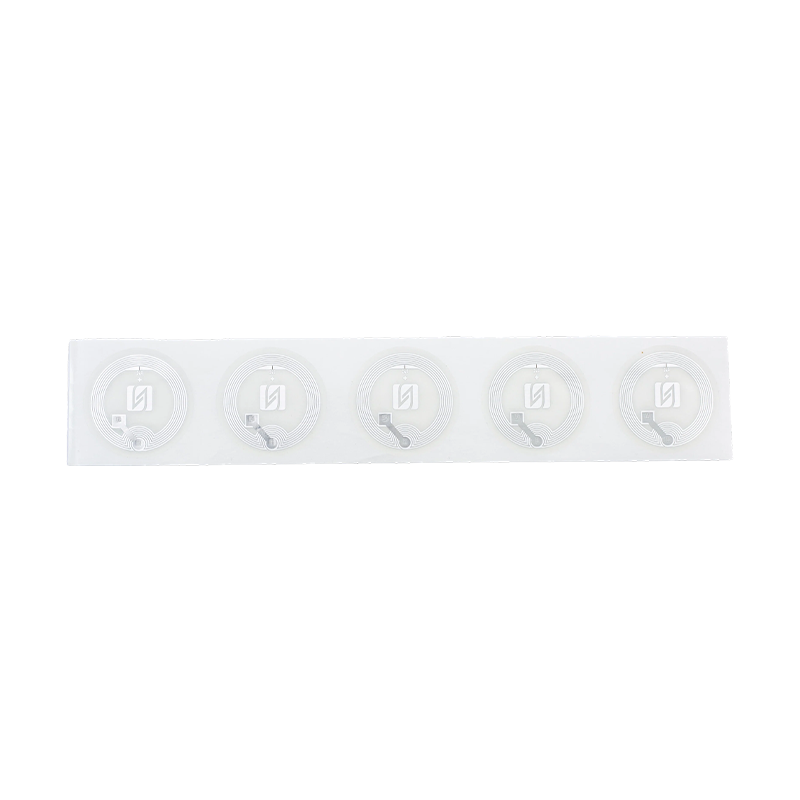
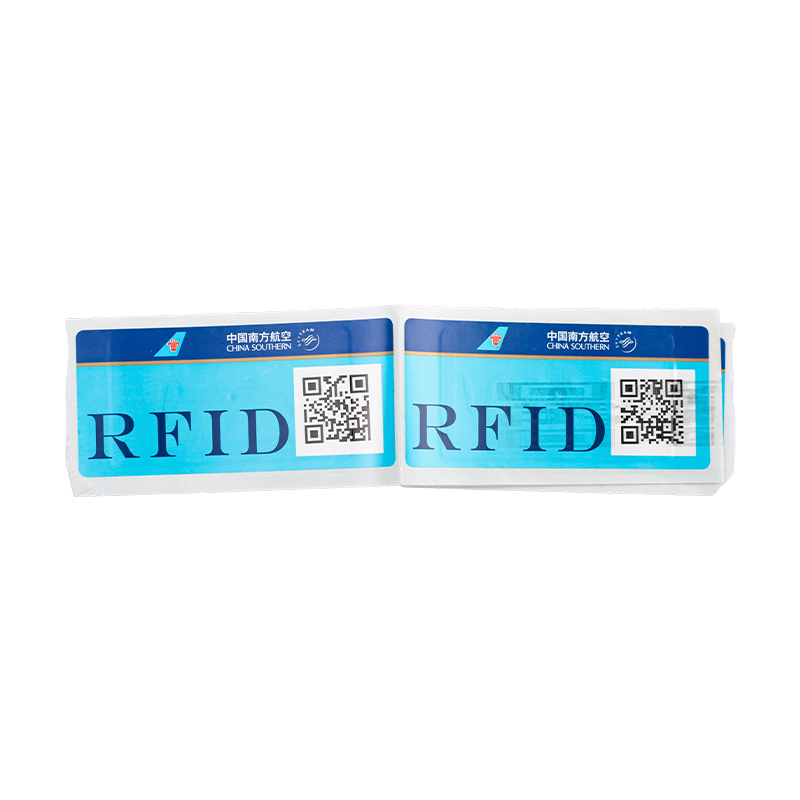
Radio-frequency identification stopped being exotic some time ago. For most of the brands we work with, the question is no longer whether RFID functions but whether it pays for itself inside their process. High-frequency tags suit short reads — taps, verification, consumer interaction. Ultra-high-frequency handles longer range and bulk reading, which is why it turns up in logistics, baggage handling and warehouse counts.
Practically, a smart label is a pressure-sensitive label with an inlay inside it, so the familiar rules about adhesive and surface still apply, plus new ones: metal and liquid detune antennas, and read range has to be tested on the actual pack rather than assumed from a datasheet. We supply inlays, tags and finished labels, and encode and verify them before they leave the plant.
NFC lives in the friendlier half of that world. A shopper taps a phone against a bottle and gets authentication, provenance, a promotion or a care instruction — no app, no account. For wine and spirits brands the appeal is obvious, but we see the same logic in cosmetics and premium foods where counterfeiting is a live concern.
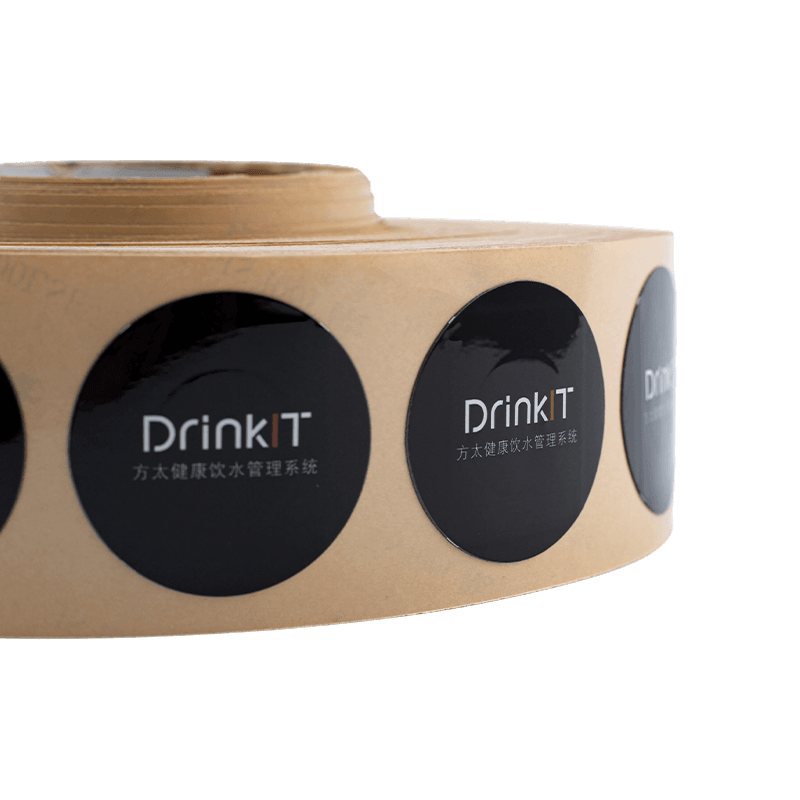 NFC Anti-Counterfeiting and Interactive Labels for Brand TraceabilityWith encrypted NFC chips, these labels let shoppers tap a smartphone to verify authenticity, view traceability, access promotions, and connect with brands without an app.View Product →
Questions Worth Asking Before You Place an Order
Whether you are dealing with us or anyone else, a short brief saves a long argument later. These are the points we try to settle in the first conversation:
- What material is the label being applied to, and is that surface clean, cold or curved?
- What temperature range will the pack experience between filling and disposal?
- Will labels go on by hand or on a line, and at what speed?
- Which regulatory framework applies — food contact, medical, or none?
- What else must the label do: resist, secure, promote, interact?
- How many versions are involved, and how often will artwork change?
What Working Together Usually Looks Like
We would rather send samples than argue about specifications. A typical project starts with a brief, moves to material samples and printed proofs on the real substrate, then to a pilot run before volume production. Lead times depend on material availability and finishing steps, so the earlier the conversation starts, the more room there is to manoeuvre. We also meet customers face to face at trade fairs, which is often where the awkward technical questions get answered fastest; our exhibition calendar shows where we will be.
None of this is complicated, but all of it is specific. If you are sourcing labels for a new pack, or chasing down a label that keeps failing in the field, the quickest route forward is a short conversation about the surface, the environment and the run size. Everything else tends to follow from those three.

Messae Us Right Now!

- Quick Links
- Products
- Quality Control
- Our Story
- News
- Contact
- Our Product
-
- Beauty and Personal Care Labels
- Home cleaning and laundry care labels
- Liquor and Beverage Labels
- Food and dairy product labels
- Healthcare Labels
- Promotional and Interactive Labels
- Specialty and industrial solution
- Labels Thermal printing and logistics labels
- Anti-counterfeiting traceability and RFID Labels
- Contact us
- Tel:+86-573-86867861
- Phone:+86-18621872035
- E-mail:allen.men@rylabel.com
- Add:No. 111 Xincheng Road, Haiyan Economic Development Zone, Jiaxing City, Zhejiang Province


